WOW, where has the summer gone? Even though the technical end of summer doesn't occur until later in September, for most of us it symbolically goes away on Labor Day weekend. To help our readers get into this mood of transition, Helpful Buckeye invites you to enjoy this "rite of passage" song by The Happenings, which peaked at #3 on the record charts in 1966:
http://www.youtube.com/watch?v=N7F9Mv1Ww3s&feature=relatedNonetheless,
Labor Day is upon us not only as a reminder of summer's passage, but also serving to honor the working citizens of the USA. It was first observed in New York City in 1882 and became a federal holiday in 1894. Since the theme of this weekend is to give our workers a day off from their jobs and appreciate what they do for our country, Helpful Buckeye wants to include more "good time" stuff this week. We'll start out with a light-hearted celebration of our workers (and former workers, like yours truly)...all you have to do is sit back in your computer chair, push a few keys on your keyboard, listen to some good music, watch a few videos, and have a fun-filled 3-day weekend!
Jimmy Buffett leads off our "
Labor Day Weekend Show" with his very first hit from 1974 (you all know he is one of Helpful Buckeye's favorite singers, but he is also a pretty good writer, being the only person to have a #1 best-seller on both the fiction and non-fiction NY Times lists):
http://www.youtube.com/watch?v=e0---Q97pG4Continue the celebration of our workers with (The Seven Dwarfs...twice, Dolly Parton, Huey Lewis & The News, The Spinners, Lee Dorsey, and the overall favorite work-week song, by Loverboy):
http://www.youtube.com/watch?v=y8AkKnLMELo&feature=relatedhttp://www.youtube.com/watch?v=NxieLcA5PLQhttp://www.youtube.com/watch?v=mpKAA2VxWY8http://www.youtube.com/watch?v=9N2CANatVYQ&feature=relatedhttp://www.youtube.com/watch?v=mip_5oIsLCkhttp://www.youtube.com/watch?v=_FX-ZhRp8sMhttp://www.youtube.com/watch?v=YGOPQrf1yvI&feature=relatedNow, on with the show....
CURRENT NEWS OF INTEREST1) From The USA Today, 27 August 2008:
Pet-food recall leads to 6,000 claims and counting Almost 6,000 claims have been filed in a class-action settlement stemming from last year's massive pet-food recall. Menu Foods, other pet-food makers and retailers in May agreed to set up a $24 million cash fund to compensate pet owners whose cats and dogs became sick or died after eating food that had a contaminated ingredient from China. The filing period for claims began May 30 and will run until Nov. 24. "I expect that number (of claims) will go up a lot. There's quite a bit of time to go," says attorney Sherrie Savett of plaintiffs' law firm Berger & Montague.
The Food and Drug Administration never identified how many pets were affected, but it received more than 17,000 complaints. Once a claim is filed, it will be reviewed by an independent claims administrator. Claimants may receive a 100% cash payment for all documented expenses deemed reasonable, including veterinary bills and burial costs. They may receive up to $900 for undocumented expenses. Under the terms of the settlement, most claims are likely to be paid next year. To be eligible, claimants must have bought or fed their pets one of the recalled pet foods.
A federal judge in New Jersey gave the settlement preliminary approval in May. A hearing for final approval is scheduled for October. If the court approves the settlement as expected, it would resolve more than 100 lawsuits brought in the U.S. and a dozen in Canada. The $24 million is in addition to $8 million that pet-food makers have already paid to pet owners.
Legal fees and attorneys' expenses, which haven't been determined, will come out of the fund. Attorneys' fees cannot exceed 31% of the fund for the U.S. and Canadian attorneys combined, according to the settlement's terms.
The vast majority of the fund will go to pet owners whose pets were injured or died as a result of kidney failure, which was linked to the contaminant. The FDA determined that the pet-food ingredients, sold to pet-food makers as wheat gluten and rice protein concentrate, were adulterated in China with the industrial chemical melamine to make them appear richer in protein than they actually were.
The recall was the largest ever for the pet-food industry. It began March 16, 2007, by Menu Foods, a large maker of wet pet food for many pet-food brands. The recall grew to involve 12 pet-food makers and 180 brands of pet food and treats. Along with Menu, other defendants include Hill's Pet Nutrition, Iams and retailers such as Wal-Mart. Menu Foods, which supplied most of the recalled foods, has pegged its recall costs at $55 million, some of which went to the settlement fund.
If there is money remaining after claims have been processed, it will go to charities that promote the well-being of pets, the settlement says.
A website has been set up at www.petfoodsettlement.com. The claims administrator can be reached at 800-392-7785. 2) A British soldier, returning home from Afghanistan, had the unfortunate experience of bringing home a 6-inch long spider which proved deadly for his dog:
http://news.sky.com/skynews/Home/UK-News/Spider-Bit-Dog-To-Death-Afghan-Camel-Arachnid-Force-Griffiths-Family-Out-Of-Colchester-Essex-Home/Article/200808415088472?lpos=UK%2BNews_3&lid=ARTICLE_150884723) From New Jersey, comes this update on the 44-lb. cat,
Prince Chunk:
WASHINGTON TOWNSHIP, N.J. (AP) - Fame, fortune and paperwork are holding up the adoption of New Jersey's famous fat cat - who may not be as plump as previously believed.
The family chosen to adopt the 44-pound cat named Prince Chunk says the shelter that found the tubby tabby is having a lawyer draft a special contract for them to sign. Donna Damiani's family was chosen earlier this month from over 500 applicants to care for the cat, who was found lumbering around the town of Voorhees after his owner lost her home to foreclosure last month.
The fluffy white tabby's near-record weight put him in the national spotlight and he spent two days in New York appearing on several talk shows and the New York tabloid covers.
But Damiani now worries that the shelter that rescued Chunk may be taking advantage of the cat. "We had said, 'Absolutely, Chunk should be the little mascot for the shelter - but not to be exploited in any way,"' she said Thursday.
Jennifer Andersch, the director of the Camden County Animal Shelter that found Chunk, has said the shelter would make sure that donations on Chunk's behalf would benefit other pets in need of homes. But she told The Courier-Post of Cherry Hill that the family's public concern about the adoption terms could jeopardize the adoption. The article did not elaborate on what Andersch meant by the comment and shelter officials did not immediately return a call Thursday to The Associated Press.
Damiani said her family applied to adopt Chunk even before he became a media star. They knew about him early because her son, 17-year-old Vince, works at the shelter and has organized fundraisers for it. They took him home on Aug. 3 and say he's adjusted well - though a publicity appearance at a pet shop earlier this month seemed to stress him out.
"Prince Chunk is doing wonderful," Donna Damiani said. "He's awesome, he's doing great. We love him." But she says there's not as much to love as originally reported. On her family's scale (which we know are always accurate, right?), he weighed in at 22 pounds - only half the 44 pounds that the shelter originally said.
She says tensions have grown with the shelter concerning the terms of adoption; Damiani said she tried to sign adoption papers right away, but that shelter officials sent the forms back and insisted they be drafted by a lawyer.
It turns out that Chunk is not the only fat cat in Camden County. Shelter officials told The New York Daily News that they have taken in a 35-pound cat found in Camden this week.
Board president Catherine Harr says he's black and white and looks like a whale. "We named him Shamu," she said.
Seems like this story has grown legs of its own...big ones! And what are those cats in New Jersey eating???

4) As Hurricane Gustav builds strength and makes an apparent heading for the Louisiana coast, the state of Louisiana is making a plea for volunteer veterinarians and veterinary technicians. From the American Veterinary Medical Association:
The State of Louisiana is immediately seeking veterinarians and veterinary technicians who would like to volunteer their time and skills during evacuations and sheltering following Tropical Storm Gustav.
The state anticipates a need for six veterinarians and twelve veterinary technicians, who would be deployed into areas to work in emergency shelters beginning Saturday, August 30. Shelters have been set up in Shreveport and Alexandria, Louisiana.
Donations of supplies are not needed at this time. Monetary donations should be made to the Dr. Walter J. Ernst, Jr Veterinary Memorial Foundation. Further information is available at http://www.lvma.org/wjefoundation.html.
We all remember the many lost and homeless pets that were cared for during the extreme flooding in Iowa a few months ago...hopefully, this won't be a repeat of that!
ANY COMMENTS, please send an e-mail: dogcatvethelp@gmail.com
DISEASES, AILMENTS, MEDICAL CONDITIONS
In a previous issue, Helpful Buckeye has discussed the need and recommendations for regular vaccinations for dogs and cats (15 June 2008). We then presented a review of the disease Rabies, in the 22 June 2008 issue. Now, it would be appropriate to cover the two diseases that incorporate the word, Distemper.
1) Canine Distemper, from an AVMA brochure:
Q: What is Canine Distemper?
A: Canine distemper is a highly contagious and serious disease caused by a paramyxovirus (closely related to the Measles virus) that attacks the respiratory, gastrointestinal, and, often, the nervous systems of puppies and dogs. The virus also infects wild canids (e.g. foxes, wolves, coyotes), as well as raccoons, skunks, and ferrets.
Q: How is Canine Distemper virus spread?
A: Puppies and dogs usually become infected through airborne exposure to the virus contained in respiratory secretions of an infected dog or wild animal. Outbreaks of distemper tend to be sporadic. Because canine distemper also affects wildlife populations, contact between wild and domestic canids may facilitate spread of the virus.
Q: What dogs are at risk?
A: All dogs are at risk but puppies younger than four months old and dogs that have not been vaccinated against canine distemper are at increased risk of acquiring the disease.
Q: What are some signs of Canine Distemper?
A: The first sign of distemper is eye discharge that may appear watery to pus-like. Subsequently, dogs develop fever, nasal discharge, coughing, lethargy, reduced appetite, vomiting, and diarrhea. In later stages, the virus may attack the nervous system, bringing about seizures, twitching, or partial or complete paralysis (thus, the name...Distemper). Occasionally, the virus may cause footpads to harden. Distemper is often fatal. Even if a dog does not die from the disease, canine distemper virus can cause irreparable damage to a dog's nervous system, in some cases causing seizures years later. Distemper is so serious and the signs so varied that any sick dog should be taken to a veterinarian for an examination and diagnosis.
Q: How is Canine Distemper diagnosed and treated?
A: Veterinarians diagnose canine distemper on the basis of clinical appearance and laboratory tests. No specific drug is available that will kill the virus in infected dogs. Treatment consists primarily of efforts to prevent secondary infections; control vomiting, diarrhea, or neurologic symptoms; and combat dehydration through administration of fluids. Ill dogs should be kept warm, receive good nursing care, and be separated from other dogs.
Q: How is Canine Distemper prevented?
A: Vaccination and avoiding contact with infected animals are key elements of canine distemper prevention.
Vaccination is important. Young puppies are very susceptible to infection, particularly because the natural immunity provided in their mothers' milk may wear off before the puppies' own immune systems are mature enough to fight off infection. If a puppy is exposed to canine distemper virus during this gap in protection, it may become ill. An additional concern is that immunity provided by a mother's milk may interfere with an effective response to vaccination. This means even vaccinated puppies may occasionally succumb to distemper. To narrow gaps in protection and optimally defend against canine distemper during the first few months of life, a series of vaccinations is administered.
Until a puppy has received its complete series of vaccinations, pet owners should use caution when taking their pet to places where young puppies congregate (e.g. pet shops, parks, puppy classes, obedience classes, doggy daycare, and grooming establishments). Reputable establishments and training programs reduce exposure risk by requiring vaccinations, health examinations, good hygiene, and isolation of ill puppies and dogs.
To protect their adult dogs, pet owners should be sure that their dog's distemper vaccination is up-to-date. Ask your veterinarian about a recommended vaccination program for your canine companion.
Contact with known infected dogs should always be avoided. Similarly, contact with raccoons, foxes, skunks, and other potentially infected wildlife should be discouraged.
2) Feline Distemper (more appropriately, Feline Panleukopenia), from an AVMA brochure:
Q: What is feline panleukopenia?
A: Feline panleukopenia (FP) is a highly contagious viral disease of cats caused by the feline parvovirus. Over the years, FP has been known by a variety of names including feline distemper, feline infectious enteritis, cat fever and cat typhoid. Feline distemper should not be confused with canine distemper—although their names are similar, they are caused by different viruses. The feline parvovirus infects and kills cells that are rapidly dividing, such as those in the bone marrow, intestines, and the developing fetus. Infected cats usually develop bloody diarrhea. Because red blood cells and white blood cells are produced in the bone marrow, infected cats develop anemia (due to loss of red blood cells) and are more likely to be infected with other illness (due to the loss of white blood cells, which play critical roles in the immune system). People cannot develop FP if they come in contact with an infected cat because the virus does not infect people.
Q: How can you tell if a cat has FP?
A: The signs of FP can vary and may be similar to other illnesses such as Salmonella or Campylobacter infection, pancreatitis, feline immunodeficiency virus (FIV) infection, or feline leukemia virus (FeLV) infection. Infected cats may even show signs that resemble those seen when a cat has been poisoned or has swallowed a foreign object. The first visible signs an owner might notice include generalized depression, loss of appetite, high fever, lethargy, vomiting, severe diarrhea, nasal discharge, and dehydration. Sick cats may sit for long periods of time in front of their water bowls but not drink much water. Normally, the sickness may go on for three or four days after the first fever. In some cats, the fever will come and go during the illness and abruptly fall to lower-than-normal levels shortly before death. Cats are very good at hiding disease and by the time a cat displays the signs of illness, it may be severely ill. Therefore, if any abnormal behaviors or signs of illness are observed, it is important to have your cat examined by a veterinarian as soon as possible. FP may be suspected based on a history of exposure to an infected cat, lack of vaccination, and the visible signs of illness. FP is confirmed when the feline parvovirus is found in the blood or stool.
Q: How do cats become infected with the virus that causes FP?
A: Infection occurs when cats come in contact with the blood, urine, stool, nasal secretions, or even the fleas from infected cats. A cat can also become infected without ever coming in direct contact with an infected cat. Bedding, cages, food dishes and the hands or clothing of people who handle the infected cat may harbor the virus and transmit it to other cats. It is, therefore, very important to isolate infected cats. Any materials used on or for infected cats should not be used or allowed to come in contact with other cats, and people handling infected cats should practice proper hygiene to prevent spreading the infection. The virus that causes FP is difficult to destroy and resistant to many disinfectants. At room temperatures, virus present in a cats' environment can still infect other cats for up to one year. Ideally, unvaccinated cats should not be allowed into an area where an infected cat has been — even if the area has been disinfected.
Pregnant female cats that are infected with the virus and become ill (even if they do not appear seriously ill) may give birth to kittens with severe brain damage. In most cases, if a cat recovers from FP, it will not infect other cats through direct contact.
Q: Which cats are susceptible to the virus?
A: While cats of any age may be infected with the feline parvovirus that causes FP, young kittens, sick cats, and unvaccinated cats are most susceptible. It is most commonly seen in cats 3-5 months of age with about 75% of kittens less than 16 weeks of age likely to die if infected.
The virus has appeared in all parts of the United States and most countries of the world. Kennels, pet shops, animal shelters, unvaccinated feral cat colonies, and other areas where groups of cats are housed together appear to be the main reservoirs of FP. During the warm months, urban areas are likely to see outbreaks of FP because cats are more likely to come in contact with other cats.
Q: How is FP treated?
A: The likelihood of recovery from FP for infected kittens less than eight weeks old is poor. Older cats have a greater chance of survival if adequate treatment is provided early. Since there are no medications capable of killing the virus, treatment is limited to supporting the cat's health with medications and fluids until its own body and immune system can fight off the virus. Without such supportive care, up to 90% of cats with FP may die. Once a cat is diagnosed with FP, treatment may be required to correct dehydration, provide nutrients, and prevent secondary infection. If the cat survives for 48 hours, its chances for recovery are greatly improved. Once home, the area where the infected cat is kept should be warm, free of drafts, and very clean. Strict isolation from other cats in the home is essential to prevent spread of the virus. Other cats that may have been in contact with the infected cat, or in contact with objects or people who were in close contact with the ill cat, should be carefully monitored for any visible signs of illness. Sadly, some cats may lose the will to live when they are very sick, so frequent petting, hand feeding, and good nursing care are essential to promote healing.
Q: How can FP be prevented?
A: Cats that survive an infection develop immunity that protects them for the rest of their lives. Mild cases that go unnoticed will also produce immunity from future infection. It is also possible for kittens to receive temporary immunity through the transfer of antibodies in the colostrum — the first milk produced by the mother. How long this passive immunity protects the kittens from infection depends upon the levels of protective antibodies produced by the mother. It rarely lasts longer than 12 weeks. "An ounce of prevention is worth a pound of cure" definitely rings true for FP—preventing infection is more effective than treating an infected cat. Today, there are vaccines that offer the best protection from feline parvovirus infection. The vaccines stimulate the cat's body to produce protective antibodies. Later, if the vaccinated cat comes in contact with an infected cat, its body will fight off the infection because of those same antibodies produced in response to the vaccine. The vaccines are effective for prevention of FP but they cannot treat or cure an unvaccinated cat once it becomes ill. Vaccines must be given before the cat is exposed and infected. Most young kittens receive their first vaccination between six and eight weeks of age and follow-up vaccines are given until the kitten is around 16 weeks of age. Adult vaccination schedules vary with the age and health of the cat, as well as the risk of FP in the area. Cat owners should consult a veterinarian for advice on a vaccination schedule appropriate for their cats.
With the widespread use of vaccines for each of these diseases, they are far less prevalent than they used to be. However, with the large numbers of stray dogs and cats, there is still a large enough reservoir to keep these diseases going...so, PREVENTION BY VACCINATION should be your mantra.
ANY COMMENTS, please send an e-mail: dogcatvethelp@gmail.com
NON-MEDICAL CONCERNS
1) A very common problem with dogs is their tendency to bark, sometimes to excess. Since barking is a natural form of expression and communication for dogs, it is very difficult to totally eliminate from their behavior. As illustrated in this cartoon from The New Yorker, some barking is not only expected from a dog, but can also be beneficial in the right circumstances:

However, the matter of Excessive Barking can be not only a distressing annoyance for the owner but also a problem for any neighbors.
How to Curb Excessive Barking, By Brent Goodman (currently the Senior Copywriter at Drs. Foster & Smith Pet Supplies... http://www.drsfostersmith.com/)
Don't let excessive or chronic barking disturb the peace in your home. There are many ways to help control undesirable or excessive barking. Dogs bark for many reasons. It is a natural behavior and primary method of communication. They bark to warn others or defend a territory, to seek attention or play, to identify themselves to another dog, or as a response to boredom, excitement, being startled, loneliness, anxiety, or teasing. Four proven methods to help you stop unwanted barking behaviors include:
- First, avoid the temptation to reinforce your dog's bark. Do not give verbal reassurance, a treat, or physical attention to a barking dog.
- Minimize your dog's barking with proper and consistent training. In addition, try using a calming pheromone spray in your pet's environment.
- Train your pet to respond to a one-word command, such as "Enough." During training, divert his attention from the barking and sternly say "Enough." If he stops barking, reward him with a great treat. Only give the treat if your dog stops barking.
- Along with these other behavior modification techniques, you may try a bark collar, a training tool designed specifically to address habitual chronic barking. It gives your pet a warning tingle or mild static correction when he barks, which quickly trains your pet to avoid the behavior that initiates the correction. Bark control is important in developing a dog that is obedient and able to relax. Your success in this area will create a more harmonious home and neighborhood.
There are many products on the market which address this last suggestion. Two that look like they offer the most help for the least amount of discomfort to the dog are:
http://www2.pulsetv.com/prodinfo.asp?number=4560 which is fairly inexpensive and
http://www.solutions.com/jump.jsp?itemID=12770&itemType=PRODUCT&path=1%2C2%2C4%2C490%2C524&iProductID=12770 which is more expensive, but it offers the added benefit of also working on your neighbor's dog from a distance of up to 50 ft.
2) Dogs are not the only pets that are sometimes in need of having their undesirable behavior curbed. Yes, cats sometimes need to be schooled in what is or is not acceptable.
Don't reinforce negative behavior. A common mistake many people make when trying to train their cats is to reward the actual behavior they're trying to correct. Here are some examples. If your cat is showing aggression and you attempt to soothe it by petting, the message it receives is that its behavior is acceptable because it received positive reinforcement.
Use your voice to calm your cat or if possible, remove it from the situation (safely, of course), but don't fall into the trap of cooing, petting, and holding it in a way that says its behavior is acceptable.
Your cat wakes you up at the crack of dawn to get a jump-start on breakfast. To quiet it, you drag yourself out of bed and put food in its bowl so you can get a few more hours of sleep. That extra sleep will cost you though, because you've just taught your cat that the way to get what it wants is to repeat that exact behavior every morning. Your cat may love strolling on the kitchen counter or other surfaces where you'd prefer it not go. As you pick it up, you might give it kisses, pet it, continue holding her, or talk sweetly to it before placing it back down on the floor. What's the message kitty received? Being on the counter means it's going to get lots of attention. If you want to remove it from the area, do so in a way that is unceremonious -- just pick it up and gently put it down.
Look at how you respond to your cat's behavior because you might be unknowingly reinforcing undesirable behavior through attention.
ANY COMMENTS, please send an e-mail: dogcatvethelp@gmail.com
ANECDOTE OF THE SUMMER
Helpful Buckeye has recounted a few anecdotes from his experience as a practicing veterinarian. There will be more to come from time to time; however, taken in their entirety, they will surely pale in comparison to the stories told by James Herriot, the Scottish veterinary surgeon. James Herriot, the pen name of James Alfred Wight, became famous for his best-selling string of tales in:
- All Creatures Great and Small (1972)
- All Things Bright and Beautiful (1974)
- All Things Wise and Wonderful (1977)
- The Lord God Made Them All (1981)
These books became the basis for two movies and the long-running BBC series, All Creatures Great and Small, the tales of a veterinary surgeon in the Yorkshire Dales.
Dr. Wight died in 1995, at the age of 78, leaving a legacy of wonderful stories of the practice of veterinary medicine that have been adored by readers and viewers everywhere. Helpful Buckeye was fortunate to have met Dr. Wight in the early 1970s when he was touring the United States on a book promotion tour and visited the College of Veterinary Medicine of The Ohio State University in Columbus. He was a very enjoyable man!
In the spirit of kicking back and taking it easy this holiday weekend, Helpful Buckeye suggests that you might want to either re-read one of James Herriot's books or borrow some of the DVDs of the BBC series, which are available at most public libraries. I know they are available in Flagstaff because I have two sets at home right now! If you should want to add to your own DVD collection or perhaps give a nice present to an animal lover, the whole series of DVDs from the BBC series is available through Amazon.com: http://www.amazon.com/s/qid=1220133388/ref=sr_kk_1?ie=UTF8&search-alias=dvd&field-keywords=all%20creatures%20great%20and%20small
Labor Day is a fitting tribute to Dr. Wight, "James Herriot," because he truly enjoyed the works he accomplished in his veterinary practice. Dr. Wight and his office in the Yorkshire Dales:


PET OF THE WEEK
In last week's issue, Helpful Buckeye gave you a little quiz about a breed of dog. The invasive, non-native wildflower, coming from the snapdragon family and also known as Butter and Eggs, originated from the same part of the world as our dog breed. The flower was this:
 and the region of the world is the eastern border of the Adriatic Sea, comprised of Croatia and parts of Bosnia.

Yes, Grasshopper, this is...Dalmatia, the home of Dalmatian Toadflax, Linaria dalmatica and the Dalmatian dog (from Ben Hur Images) : ....just one of the 101 Dalmatians!

The familiar dapper black & white spotted dog of Disney fame, the Dalmatian is a symmetrical, muscular medium-sized dog with superior endurance. A picture of elegance, the Dalmatian has the lean, clean lines of the pointer, to which it may be related. It has a short, hard, dense coat of pure white with black or liver colored spots randomly splashed over it. Puppies are born completely white and the spots develop later.
Dalmatians were bred to run under or along-side of horse-drawn carriages and therefore have a vast amount of stamina and energy. They do not like to just sit around all day with nothing to do. The Dalmatian needs human companionship, without which it is likely to become depressed. For this reason they do not make good yard dogs. Some can be aggressive if not properly raised. Fifty percent of people who adopt a Dalmatian puppy do not keep them past the first year.
Deafness affects 10-12% of Dalmatian puppies. Every Dalmatian puppy should be BAER-tested for deafness (available at many private clinics and university veterinary hospitals across the USA), and totally deaf puppies should be spayed or neutered. They should be checked as a puppy at about 6 weeks old. Deaf dogs are very difficult to raise and often become aggressive and snappish from fear.
Urinary stones and skin allergies (especially to synthetic fibers in carpets and upholstery) are also sometimes inherited. Uric acid levels in Dalmatians are higher than in any other breed, sometimes causing urinary blockage.
Helpful Buckeye is not trying to make a geographer or historian out of every reader, but knowing a little about the origins of species can be interesting and instructive.
GENERAL INTEREST
1) When we talked about Beagles several weeks ago, Helpful Buckeye wanted to include another connection to the story. The pictures I wanted weren't available at the time, but they are now. Charles Darwin, the author of The Origin of Species, and renowned biologist, made his famous trip around the world onboard HMS Beagle. The voyage lasted just short of five years (1831-1836) and provided Darwin with all the specimens and experiences he needed to formulate his Theory of Evolution. The Beagle in the harbor and under sail:


2) For a little tongue-in-cheek enjoyment, watch and listen to this catchy tune by Norma Tanega from the Flower-Power era of 1966 (some of you should remember this one): http://www.youtube.com/watch?v=SPZVrmJ2HH8
3) With the 3-day weekend and people and their pets still trying to beat the heat, these dogs have found the secret: http://www.evtv1.com/player.aspx?itemnum=8326
4) For those of you with an interest in cooking, Anthony Bourdain has a TV special on Labor Day on the Travel Channel depicting some of his international experiences with cooking. Bourdain has hit the book market with two really interesting books on his experiences in cooking, Kitchen Confidential and A Cook's Tour, both of which Helpful Buckeye highly recommends. They are not cook books, with recipes, but rather stories about a chef/cook. For more information on the TV show, go to: http://www.travelchannel.com/TV_Shows/Anthony_Bourdain?cmpid=TC_Pilot082808_5_trv1
5) Wisconsin Public Radio has a weekly show named "Calling All Pets," featuring zoologist Patricia McConnell and co-host Larry Meiller, who team up to help listeners bring out the best in their pets. Get down-to-earth advice about pet problems, big and small, and fascinating information about wildlife, too. You can either find this program on your local NPR station or listen to the weekly show on their web site (click on "Listen to Show"): http://www.wpr.org/pets/
6) Some of our dog readers have complained about cats and their catnip. This cartoon from The New Yorker pretty well sums up their opinion:
7) Sometimes pet owners do stupid things and sometimes they do cute things. This video qualifies as one of the cute things...enjoy this Lullaby for Puppies (but don't fall asleep yourself!): http://www.evtv1.com/player.aspx?itemnum=13110
ZZZZZZZZ..........oops, excuse me, I nodded off there for a minute!
SPORTS NEWS
1) The Ohio State Buckeyes beat Youngstown State today, 43-0, to open the season in Columbus.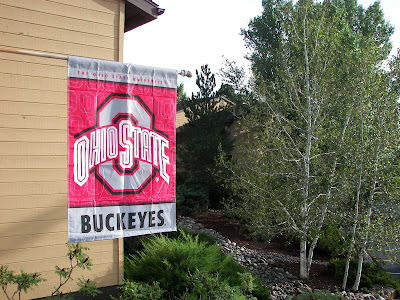
2) More university team mascots that are cats:
- Northwestern Wildcats
- Ohio University Bobcats
- Penn State Nittany Lions
- Pitt Panthers
- Washington State Cougars
PERSONAL STUFF
1) For the past week, the local Farmers Market has been roasting Hatch chilis in their parking lot. Helpful Buckeye regularly goes to the Farmers Market at least once a week and, this time of the year, I find myself gravitating toward the chili roaster and the wonderful, spicy, pepper aroma it produces!


If you have one of the ultra-new "scratch and sniff" monitors, you can reach up and scratch your screen...and savor the aroma along with me!
2) Helpful Buckeye has always liked the summer months, but Labor Day means that my two favorite months of September and October are coming up! Labor Day weekend will be good for Helpful Buckeye...I got a 40-mile bike ride in on Friday, will play racquetball on Saturday and Sunday, followed by a cook-out Sunday evening, and culminating with an outdoor concert on Monday by the Flagstaff Symphony. I'll leave you with the sounds of the Beach Boys singing, "All Summer Long,": http://www.youtube.com/watch?v=V6Hryc5t2wQ&feature=related and a view of the sunset over the Pacific Ocean at Pismo Beach, CA, to signify the symbolic end of our summer:

ANY COMMENTS, please send an e-mail: dogcatvethelp@gmail.com
~~The goal of this blog is to provide general information and advice to help you be a better pet owner and to have a more rewarding relationship with your pet. This blog does not intend to replace the professional one-on-one care your pet receives from a practicing veterinarian. When in doubt about your pet's health, always visit a veterinarian.~~


 ...and for those of you who think the mania is not widespread, check out this vehicle in western PA:


